
Corporate lanyards are essential for branding, events, and employee identification. Businesses seeking custom lanyards often ask about materials, printing methods, sizes, and durability. According to Business Research Insights, the global lanyard market is projected to reach $5.5B by 2035, reflecting strong demand for personalized, high-quality promotional products. This guide answers common enterprise questions and highlights best practices for effective customization.
Q1: What's the difference between wrist lanyards and neck lanyards in usage and length?
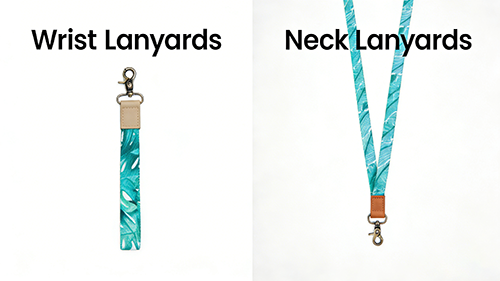
Neck lanyards: Usually 45–55 cm, designed for employee ID badges, access cards, and trade show passes, providing a professional appearance.
Q2: How does lanyard width affect logo visibility, comfort, and cost?
A:Wider lanyards: Better logo visibility, more brand impact, improved comfort; slightly higher cost.Narrower lanyards: Lightweight, lower cost, but limited space for logos and less comfort for long-term wear.
Q3: How to choose lanyard size based on carried items and users?
A:Heavier items → 15–20 mm width, durable materialsTaller users → 50–55 cm neck lanyard
Shorter users → 45–50 cm neck lanyard
Wrist wear → 18–20 cm, 10–15 mm width
Daily wear → Soft materials + medium width for comfort
Q4: What are the standard sizes for neck, wrist, and adjustable lanyards?
A:Neck lanyard: 45–55 cm | 10–20 mm widthWrist lanyard: 15–22 cm | 10–15 mm width
Adjustable lanyard: 40–60 cm via slider or cord lock
Keywords: adjustable lanyard, standard lanyard size
Q5: What printing and material combinations are best for premium custom lanyards?
A:Materials: Nylon, woven polyester, cotton jacquardPrinting methods: Woven logos, PVC/silicone logos, full-color heat transfer
Accessories: Metal hooks, magnetic clasps, multi-card holders
Ideal for high-end corporate branding, long-term durability, and premium gifts.
Q6: What is a breakaway safety clasp and when is it required?
A: A breakaway lanyard clasp separates automatically under strong tension to prevent choking or injury. Recommended for:Schools & children
Factories & warehouses
Medical & high-safety environments
Reference: ISO Lanyard Safety Guidelines
Q7: How do attachments affect cost, durability, and user experience?
A:Lobster clasp / badge clip: Low cost, standard useMetal swivel hook: Higher cost, strong load capacity
Quick-release buckle: Convenient, moderate price
Tip: Choose based on weight, usage frequency, and budget.
Q8: How are lanyards connected to bottom attachments?
A:Metal Crimp: Strong, long-term useSewn Stitching: Soft, eco-friendly
Ultrasonic Welding / Heat Seal: Seamless, premium appearance
Selection guide: Heavy load → Crimp | Comfort → Sewn | Premium → Welded
Q9: Can lanyards hold multiple cards or items?
A: Yes. Use double-ended lanyards, multi-card holders, or reinforced materials, checking attachment load capacity.Q10: How to choose lanyards on a tight budget?
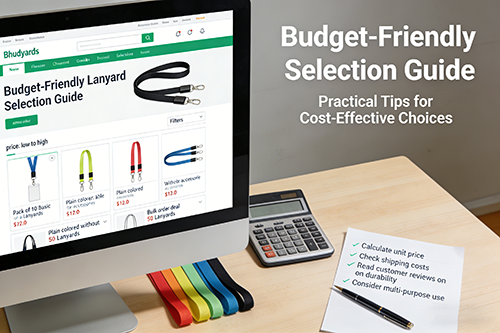
10–12 mm width
Single-color screen printing
Basic lobster clasp + PVC badge holder
Bulk orders for lower unit cost
Q11: How does bulk ordering reduce cost?
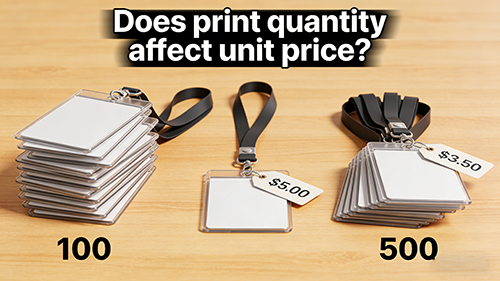
A:Higher quantities = lower unit priceStandard sizes and printing reduce setup costs
Avoid small-batch, multi-color designs
Q12: Does print quantity affect unit price?
Q13: Should you budget for safety or functional accessories?
A: Yes. Accessories like breakaway clasps, sliders, cord locks add cost and should be included in planning.Q14: Slider vs Cord Lock – How to Choose?
A:Slider: Best for neck lanyards; easy adjustmentCord lock: Best for round/outdoor lanyards; stronger locking
Principle: Balance ease of use and stability
Q15: What premium features add value to high-end or gift lanyards?
A: Premium features include:Magnetic clasps for convenience
PVC/silicone raised logos for tactile branding
Multi-card holders for functionality
Woven/jacquard logos for long-lasting durability
Metal hooks or swivel clasps for durability and visual appeal
These increase perceived quality, making them ideal for corporate gifts, event souvenirs, and promotional lanyards.
Q16: What eco-friendly or biodegradable lanyard materials are available?
A:Recycled polyester (RPET lanyards)Biodegradable plastics
Cotton or natural fibers
Eco-friendly inks for printing
Perfect for green campaigns, ESG initiatives, and sustainable branding
Reference: Sustainable Corporate Merchandise Report
Q17: How to design a practical multi-functional lanyard?
A:Double-ended or multi-card holdersHeavy-duty lobster clasps or swivel hooks
15 mm width, 50 cm length for comfort
Durable yet soft materials
Ensures strength, versatility, and daily usability for corporate ID badges + access cards + keys.
Q18: What problems can occur if materials, printing, or attachments are chosen incorrectly?
A:Low-quality materials → fraying/breakingInappropriate printing → fading or cracking logos
Poor attachment selection → insufficient load capacity
Correct combinations are critical for long-lasting custom lanyards.
Q19: How can color or print inconsistencies be avoided in bulk orders?
A:Approve pre-production samplesProvide Pantone codes or physical references
Confirm printing methods and materials before mass production
Ensures brand color accuracy and consistency
Q20: How does lanyard packaging affect cost and presentation?
A:Bulk packaging → low cost, internal useIndividual packaging → higher perceived value, ideal for corporate gifts and promotional lanyards